
Self-regulation is the foundational skill that allows your honeybee to manage and understand their reactions, thoughts, and behaviors. During moments of uncertainty, we want to provide coping mechanisms and calming strategies to encourage socially acceptable behavior. Children typically develop these skills through their environments and are most receptive to managing their emotions when adults provide reassuring support.
As your honeybee navigates their little world, their big feelings will likely get the best of them. Unexpected tantrums are undoubtedly frustrating, but they are developmentally appropriate. Early childhood can be an emotionally turbulent time for your honeybee. As exasperating as these moments may be, unexpected choices are opportunities for learning and growth.
First, we need to consider changing the language. When we think of “time out”, we may think of the chair in the corner of the room. We may expect our honeybee to sit there silently, alone, for a set period of time. This form of punishment can be counterproductive. At this age, children should not be expected to independently rationalize their choices in an isolated space. Children may perceive this isolation as abandonment, further impeding their ability to regulate emotions.
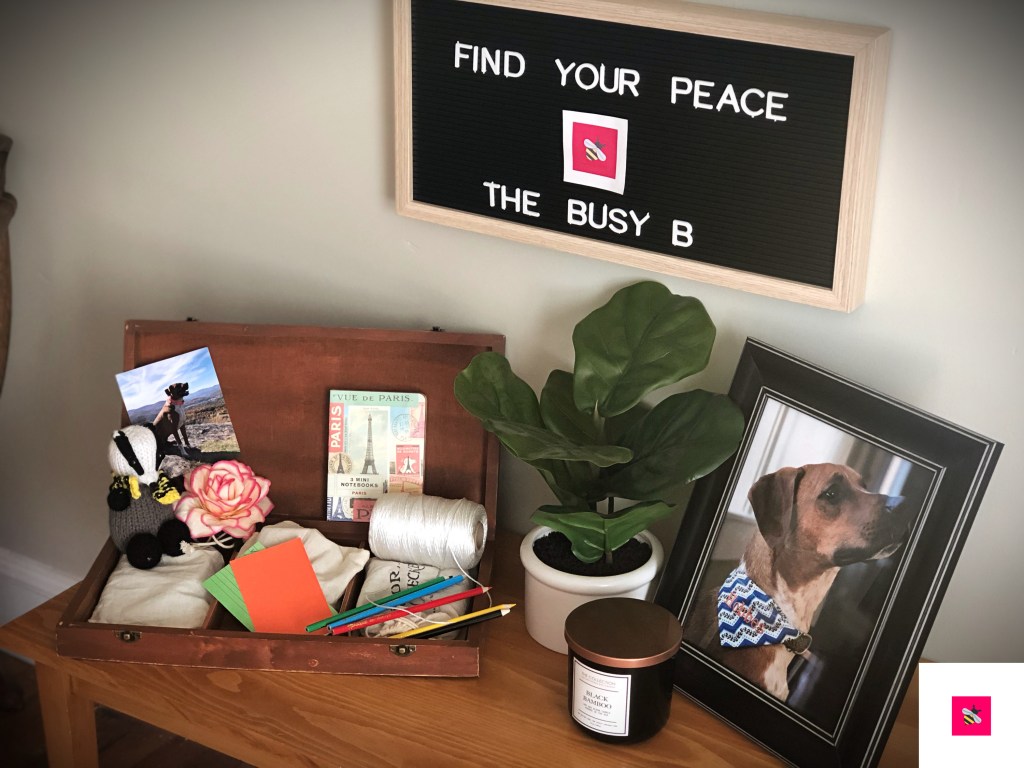
Encouraging “breaks” in your household may deescalate misbehavior and control impulses. It is easier for children to recover from their frustration if they can refocus their attention on a calming task in a peaceful space. Provide a “break box” or “break basket” for this space. It should be specific to your honeybee with tools (not toys) to regulate their emotions. Perhaps a stress ball to squeeze, or a stuffed animal to hug.
During unexpected moments, tell your honeybee to “take a break”. Be calm, but matter-of-a-fact with your observation of the situation. Do not assume your honeybee’s emotions. We do not want to tell them how they feel. The goal is for them to understand their emotions on their own.
“You do not have a safe body. Please take a break.”
“Your unkind words have hurt my feelings. I need some space. Please take a break.”
“I am reading your body language and it is not appropriate for the dinner table. Please take a break.”
Once they have found their peace, respectfully welcome them back. Greet them with patience and love. Size the situation. If you feel it is necessary, continue the conversation about improving their choices. Discuss how their actions had impacted others. Set a goal for next time. If not, be ready to let go and move on.
“I am reading your body language. It looks in control. I am so happy that you are ready to join us!”
Supporting your honeybee when they are experiencing strong emotions is not easy. Be kind and patient with yourself. Just like your honeybee, your feelings are valid too! You’re amazing.
BEE well.
And don’t forget to “take a break” when you need it.
 The Busy B